Introduction
As companies look to expand operations, cut costs, and tap into new markets across Eastern Africa, Special Economic Zones (SEZs) and Export Processing Zones (EPZs) have emerged as powerful tools for growth.
From generous tax incentives to faster regulatory clearances, SEZs and EPZs unlock real advantages — but only for businesses that navigate their onboarding and compliance requirements correctly. For CEOs and boards weighing this move, understanding how SEZs work — and how to avoid costly missteps — is essential.
✅ Why Consider an SEZ or EPZ?
Governments across the region have developed SEZs and EPZs to attract investment, stimulate exports, and create jobs. For companies, the benefits can be transformative:
✅ 1️⃣ Access Tax and Duty Incentives
Qualifying businesses enjoy reduced corporate tax rates, VAT exemptions, and customs duty reliefs on raw materials, machinery, and inputs — directly boosting profitability.
✅ 2️⃣ Simplified Licensing and Infrastructure
Most SEZs offer ready-to-use industrial infrastructure, streamlined licensing, and single-window approvals, saving precious time and reducing administrative burdens.
✅ 3️⃣ Enhanced Export Competitiveness
EPZs enable companies to scale export-focused operations, tap new markets, and compete on price with global players by lowering production and logistics costs.
✅ Key Pitfalls to Avoid
While the benefits are clear, companies often face delays or rejection when they overlook key requirements:
- Incomplete Documentation: Missing or unclear project proposals, environmental approvals, or feasibility studies can stall applications.
- Weak Environmental Compliance: Many SEZs demand detailed Environmental Impact Assessments and clear environmental management plans.
- Regulatory Mismatches: Different authorities (e.g., SEZA, EPZA, NEMA) have unique conditions that must align with your business plan.
A rushed approach can lead to months of back-and-forth, wasted fees, and lost investor confidence.
✅ Your Onboarding Checklist
Before applying for SEZ/EPZ status, CEOs and project teams should prepare:
✔ A clear project concept, financial plan, and projected export targets.
✔ Feasibility studies that prove commercial and environmental viability.
✔ Completed EIA or ESIA reports aligned with national and SEZ-specific requirements.
✔ Detailed master plan covering operations, supply chain, and compliance frameworks.
✅ How JKH-Holding Simplifies SEZ & EPZ Entry
At JKH-Holding Limited, we help companies unlock SEZ and EPZ advantages without the paperwork headaches. Our team prepares and manages:
- Onboarding & Compliance Support: We guide you through SEZ applications, ensure your documentation is robust, and liaise directly with regulatory bodies.
- Environmental Documentation: We deliver EIA/ESIA reports and management plans that meet both national and zone-specific standards.
- Feasibility & Master Planning: We build clear, bankable feasibility studies and operational plans that support approvals and attract investors.
✅ Real-World Success
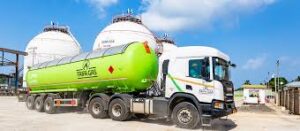
For example, we supported Taifa Gas Investment SEZ Ltd to incorporate a large-scale LPG storage plant into a designated SEZ. By aligning their feasibility, environmental, and compliance work upfront, approvals were secured on time, paving the way for smooth construction and operations.
Key Takeaway for CEOs
SEZs and EPZs can drive real growth — but only for businesses that plan well, prepare properly, and partner with the right advisors.
Ready to Expand Strategically?
Whether you’re exploring your first SEZ project or scaling existing operations, JKH-Holding Limited is ready to guide you from onboarding to compliance and beyond.